-
Different Types of LAN Cables
In today’s hyper-connected world, the humble LAN cable remains a critical backbone of digital infrastructure. Whether you’re streaming 4K content, managing a corporate network, or simply trying to reduce Wi-Fi lag, the right Ethernet cable can make a world of difference. But not all LAN cables are created equal. Understanding their differences is essential for choosing the right one for your needs—both now and in the future.
A Brief History of Ethernet and Cable Categories
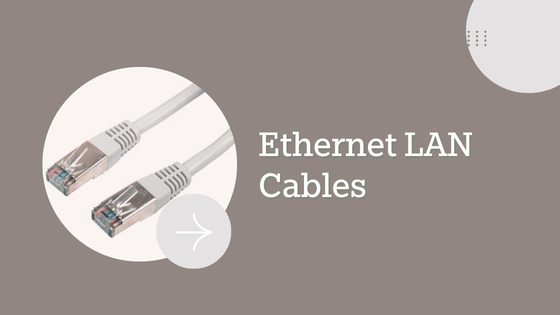
LAN cables have evolved significantly since the early days of networking. The earliest Ethernet standards used coaxial cables, but as demand for faster, more reliable connections grew, twisted pair cables became the norm. These cables are categorized by performance levels, shielding, and bandwidth capacity. The ประเภทสายแลน most commonly used today include CAT5e, CAT6, CAT6a, CAT7, and CAT8—each offering distinct advantages depending on the application.
CAT5e, or Category 5 enhanced, was once the gold standard for home and small office networks. It supports speeds up to 1Gbps and is still widely used due to its affordability. However, as internet speeds and data demands have increased, newer categories like CAT6 and CAT6a have become more popular. CAT6 supports up to 10Gbps over short distances and offers better resistance to crosstalk. CAT6a improves on this with enhanced shielding and longer maximum cable runs at high speeds.
High-Performance Options for Demanding Environments
For environments that demand even more bandwidth and shielding—such as data centers, broadcast studios, or industrial settings—CAT7 and CAT8 cables are the go-to options. CAT7 supports up to 10Gbps over 100 meters and features individually shielded pairs for superior noise resistance. CAT8, the latest and most advanced standard, supports up to 40Gbps over 30 meters and is designed for ultra-high-speed applications like server-to-server communication.
These high-performance cables often come with a higher price tag and are typically overkill for casual users. However, for businesses or tech enthusiasts looking to future-proof their networks, the investment can be worthwhile. It’s also important to note that the connectors used—typically RJ45—must be compatible with the cable category to ensure optimal performance.
Shielding, Flexibility, and Installation Considerations
Beyond speed and bandwidth, LAN cables differ in terms of shielding and construction. Unshielded twisted pair (UTP) cables are common in residential settings where electromagnetic interference is minimal. In contrast, shielded twisted pair (STP) or foil-shielded cables are better suited for environments with high interference, such as near heavy machinery or fluorescent lighting.
Another factor to consider is the cable’s internal conductor type. Solid conductors are ideal for permanent installations, such as in-wall wiring, because they offer better performance over long distances. Stranded conductors, on the other hand, are more flexible and suited for patch cables or setups where the cable may be moved frequently.
Where to Buy Reliable LAN Cables
With so many options on the market, choosing a reliable supplier is just as important as selecting the right cable type. That’s where Personethshop comes in. Known for its curated selection of high-quality networking products, Personethshop offers a wide range of LAN cables across all major categories. Whether you’re looking for a basic CAT6 patch cable or a shielded CAT8 line for a server rack, their catalog is designed to help you make an informed, confident purchase.
Conclusion
Choosing the right LAN cable isn’t just about speed—it’s about matching the cable’s capabilities to your specific environment and future needs. From the budget-friendly CAT5e to the ultra-fast CAT8, each category serves a purpose. By understanding the differences in shielding, conductor type, and bandwidth, you can build a network that’s not only fast but also reliable and scalable. And with trusted vendors like Personethshop, you can be sure you’re getting the performance you pay for.
-
The Lifecycle of an Email Address: Why Verification Keeps Pace With Change
Email addresses are not static identifiers. They evolve, shift, and sometimes disappear entirely as people move through different stages of life. A student address tied to a university domain may vanish after graduation. A professional address may change when someone switches jobs. Even personal accounts are abandoned when users migrate to new providers or consolidate multiple inboxes. This natural churn is part of the digital landscape, and it creates challenges for businesses that rely on email as their primary communication channel.
For marketers, sales teams, and customer service departments, the lifecycle of an email address means that yesterday’s valid contact may be tomorrow’s bounce. Without ongoing verification, organizations risk wasting resources, damaging sender reputation, and losing touch with their audience.
Abandonment and Inactivity
One of the most common stages in the lifecycle of an email address is abandonment. People often create accounts for specific purposes—signing up for a service, accessing a free trial, or joining a community—and then stop using them. Over time, these addresses become inactive. Sending emails to abandoned accounts leads to high bounce rates, which can trigger spam filters and reduce overall deliverability.
Verification helps identify these inactive addresses before campaigns are launched. By removing them from mailing lists, businesses ensure that their messages reach active, engaged recipients. This not only improves efficiency but also protects the integrity of the sender’s domain reputation.
Changing Providers and Domains
Another natural shift occurs when users change email providers or domains. Someone who once relied on a Yahoo account may migrate to Gmail. A professional who used a company domain may switch to a new one after changing jobs. These transitions are inevitable, and they create gaps in communication if businesses fail to keep pace.
Ongoing verification ensures that mailing lists remain current. By validating addresses regularly, companies can detect when domains are no longer active or when accounts have been repurposed. This allows them to update records, maintain accurate customer data, and avoid sending messages into digital dead ends.
Repurposed and Recycled Accounts
Email providers sometimes recycle inactive accounts, making them available to new users after a period of dormancy. This creates a unique risk: a message intended for one person may suddenly land in the inbox of another. For businesses, this can lead to confusion, miscommunication, or even data privacy concerns.
Verification tools help mitigate this risk by flagging addresses that have been repurposed. By keeping lists clean and current, organizations reduce the likelihood of sending sensitive information to unintended recipients. In industries where compliance is critical, this protection is invaluable.
Why Ongoing Verification Matters
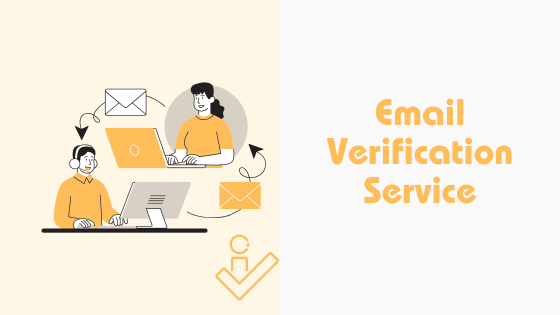
The lifecycle of an email address is dynamic, and verification must be equally adaptive. A one-time check is not enough. Lists that were clean six months ago may now be riddled with inactive, changed, or repurposed accounts. Ongoing verification ensures that businesses keep pace with this churn, maintaining efficiency and protecting trust.
For scaling companies, startups, and established enterprises alike, verification is not just a technical safeguard—it is a strategic necessity. It supports sustainable growth by keeping marketing campaigns efficient, analytics accurate, and customer relationships intact.
Verify550 and Smarter Verification in Motion
Email verification today is far more dynamic than the simple “yes or no” checks of the past. Platforms such as Verify550 illustrate how the process has matured into a continuous safeguard that adapts to the shifting realities of email use. Instead of stopping at syntax validation, this verification tool digs deeper—tracking domain health, spotting suspicious activity, and flagging addresses that may have gone dormant or been recycled.
The Business Impact of Clean Data
Clean data is the foundation of effective marketing and customer engagement. When email lists are cluttered with invalid or outdated addresses, analytics become skewed, personalization suffers, and ROI declines. Verification keeps data clean, ensuring that businesses can segment audiences accurately, tailor messages effectively, and measure results with confidence.
In the long run, this efficiency translates into stronger customer relationships and more sustainable growth. By respecting the natural lifecycle of email addresses and adapting through verification, businesses demonstrate professionalism and reliability.
Conclusion
Email addresses are living identifiers that change, evolve, and sometimes disappear. Abandonment, provider changes, and repurposing are all part of their lifecycle. For businesses, this churn creates risks that can only be managed through ongoing verification. Platforms like Verify550 provide the tools needed to keep pace, ensuring that communication remains efficient, secure, and trustworthy.
In a digital world where trust and efficiency define success, verification is not optional—it is essential. By embracing ongoing verification, businesses align with the natural lifecycle of email addresses and position themselves for sustainable growth.